

Quick answer: Season 16 of the Big Bash League runs from 12 December 2026 to 26 January 2027. The opening match is Melbourne Renegades vs Perth Scorchers on Saturday 12 December 2026 at MA Chidambaram Stadium, Chennai, at 2:40 pm IST.
Key takeaways
- The season spans 39 league games and finals, concluding on Sunday 26 January 2027.
- Eight venues host matches: Chennai, Brisbane, Sydney, Melbourne, Perth, Adelaide, Hobart and Canberra.
- Pitches range from bouncy, pace‑friendly (Perth, Gabba) to spin‑friendly, low‑bounce (Chennai, Manuka).
- Boundary sizes differ: MCG and Adelaide Oval are largest, making sixes harder, while Hobart’s Ninja Stadium and Canberra’s Manuka Oval have shorter boundaries that favour high scores.
- The Power Surge replaces the traditional Powerplay; a Bash Boost point is awarded for the highest strike rate at the end of the innings.
What it is and why it matters
The Big Bash League (BBL) is Australia’s premier T20 domestic competition. Season 16 (2026‑27) adds the Power Surge and Bash Boost tweaks while keeping the fast‑paced, entertainment‑focused format. Because each venue has its own pitch, boundary dimensions and climate quirks, knowing where a match is played helps you see why a team may favour batters or bowlers, how quickly the ball reaches the rope, and why some grounds produce higher totals than others. This guide breaks down every 2026‑27 venue, the typical pitch behaviour you can expect, and the boundary dimensions that shape scoring.

Venue‑by‑venue breakdown: pitch and boundary guide
| Venue (City) | Stadium | Typical Pitch Behaviour | Boundary Size (approximate) | Key Conditions |
|---|---|---|---|---|
| Brisbane | The Gabba | Fast, bouncy, carries well to batters; early seam movement then flattens. | Large – sixes are harder; spacious down the ground and corners. | Warm, humid; rain can make the outfield slick. |
| Sydney | SCG (Sydney Cricket Ground) | True and consistent; neither too quick nor too slow; spinners turn later. | Very large – longest boundaries in BBL; sixes require precise timing. | Sea breeze can swing the ball; night‑time dew. |
| Melbourne | MCG (Melbourne Cricket Ground) | Good bounce and carry; batting‑friendly with spinners becoming effective later. | Largest in the league – boundary rope far from centre; hitting sixes is a timing test. | Weather changes quickly; night games may have outfield moisture. |
| Perth | Perth Stadium (Optus Stadium) | Bouncy and quick from the word go; fast bowlers get early assistance; ball skids. | Large, but corners more compact than MCG/Adelaide; dry climate may crack the surface later, helping spinners. | Dry Perth air; pitch can deteriorate, aiding spin. |
| Adelaide | Adelaide Oval | True bounce with a bit of carry; batters can score freely when timing is right. | Large – similar to MCG; deep “V” area, fence deep elsewhere. | Evening dew is common in day‑night matches, aiding the team batting second. |
| Hobart | Ninja Stadium (Blundstone Arena) | Slower, lower bounce; spinners get grip, batters wait on the ball. | Small‑to‑medium – shorter boundaries make sixes easier, raising strike rates. | Coastal conditions; heavy dew in evening matches is a major factor. |
| Canberra | Manuka Oval | Variable – can be firm and quick early, then turn as the pitch ages. | Medium – moderate boundaries; not as tight as Hobart, not as open as MCG. | Dry Canberra air; surface can dry out, assisting spin in the second innings. |
| Chennai | MA Chidambaram Stadium (Chepauk) | Spin‑friendly from the start; low bounce, turn for both wrist and finger spinners; batters must negotiate. | Medium – standard Indian stadium boundary; sixes possible with looping the ball. | Dry surface; minimal grass cover, helping spinners grip. |
Boundary sizes are approximate and based on typical ground measurements. Pitch behaviour is a general trend observed across recent seasons and may vary with grass cover, weather and match‑day preparation.
Also read: Big Bash League 2026-27 format explained
Format this season: how BBL 2026‑27 works
The 2026‑27 season follows the established BBL structure with two new playing‑condition tweaks, sourced from the official Cricket Australia Playing Conditions published on 10 June 2026:
- Power Surge – Each innings has a single Powerplay of six overs (overs 1‑6). The batting side may call a Power Surge, a second six‑over window that can start any time after over 6 and before over 17, but not in the final two overs.
- Bash Boost – One bonus point is awarded to the team with the higher strike rate (runs per 100 balls) at the end of its innings; equal strike rates give no point.
The eight teams play each other once in a home‑and‑away league format (seven matches each). The top four advance to the finals series: Qualifier (1st vs 2nd), Eliminator (3rd vs 4th), and the Final between the Qualifier winner and the Eliminator winner. All finals are knockout matches.
Upcoming fixtures (IST times)
The official fixture list is taken from the Cricket Australia website (accessed 14 July 2026) and converted to Indian Standard Time (IST = AEDT − 30 minutes).
| Match | Date (2026‑27) | IST Time | Teams | Venue |
|---|---|---|---|---|
| 1 | Sat 12 Dec | 2:40 pm | Melbourne Renegades vs Perth Scorchers | MA Chidambaram Stadium, Chennai |
| 2 | Tue 15 Dec | 7:15 pm | Brisbane Heat vs Sydney Sixers | The Gabba, Brisbane |
| 3 | Wed 16 Dec | 7:15 pm | Sydney Thunder vs Adelaide Strikers | Corroboree Group Oval, Manuka, Canberra |
| 4 | Thu 17 Dec | 7:15 pm | Hobart Hurricanes vs Brisbane Heat | Ninja Stadium, Hobart |
| 5 | Fri 18 Dec | 7:15 pm | Melbourne Stars vs Sydney Thunder | MCG, Melbourne |
| 6 | Sat 19 Dec | 3:10 pm | Perth Scorchers vs Melbourne Renegades | Perth Stadium, Perth |
| 7 | Sun 20 Dec | 7:15 pm | Sydney Sixers vs Hobart Hurricanes | Cricket Central, Sydney |
| 8 | Mon 21 Dec | 7:15 pm | Adelaide Strikers vs Melbourne Stars | Adelaide Oval |
| 9 | Tue 22 Dec | 7:15 pm | Brisbane Heat vs Sydney Thunder | The Gabba |
| 10 | Wed 23 Dec | 7:15 pm | Perth Scorchers vs Adelaide Strikers | Perth Stadium |
| 11 | Thu 24 Dec | 3:40 pm | Melbourne Renegades vs Hobart Hurricanes | MA Chidambaram Stadium, Chennai |
| 12 | Fri 25 Dec | 7:15 pm | Sydney Sixers vs Melbourne Renegades | Cricket Central, Sydney |
| 13 | Sat 26 Dec | 7:15 pm | Hobart Hurricanes vs Brisbane Heat | Ninja Stadium |
| 14 | Sun 27 Dec | 3:10 pm | Adelaide Strikers vs Sydney Thunder | Adelaide Oval |
| 15 | Mon 28 Dec | 7:15 pm | Melbourne Stars vs Perth Scorchers | MCG |
| 16 | Tue 29 Dec | 7:15 pm | Sydney Sixers vs Brisbane Heat | Cricket Central, Sydney |
| 17 | Wed 30 Dec | 7:15 pm | Adelaide Strikers vs Melbourne Renegades | Adelaide Oval |
| 18 | Thu 31 Dec | 7:15 pm | Hobart Hurricanes vs Sydney Thunder | Ninja Stadium |
| 19 | Fri 1 Jan | 7:15 pm | Brisbane Heat vs Melbourne Stars | The Gabba |
| 20 | Sat 2 Jan | 3:40 pm | Perth Scorchers vs Sydney Sixers | Perth Stadium |
| 21 | Sun 3 Jan | 7:15 pm | Melbourne Renegades vs Sydney Thunder | MA Chidambaram Stadium, Chennai |
| 22 | Mon 4 Jan | 7:15 pm | Adelaide Strikers vs Hobart Hurricanes | Adelaide Oval |
| 23 | Tue 5 Jan | 7:15 pm | Sydney Sixers vs Melbourne Stars | Cricket Central, Sydney |
| 24 | Wed 6 Jan | 7:15 pm | Brisbane Heat vs Perth Scorchers | The Gabba |
| 25 | Thu 7 Jan | 7:15 pm | Melbourne Renegades vs Adelaide Strikers | MA Chidambaram Stadium, Chennai |
| 26 | Fri 8 Jan | 7:15 pm | Hobart Hurricanes vs Melbourne Stars | Ninja Stadium |
| 27 | Sat 9 Jan | 7:15 pm | Sydney Thunder vs Brisbane Heat | SCG, Sydney |
| 28 | Sun 10 Jan | 7:15 pm | Melbourne Stars vs Adelaide Strikers | MCG |
| 29 | Mon 12 Jan | 7:15 pm | Perth Scorchers vs Sydney Thunder | Perth Stadium |
| 30 | Tue 13 Jan | 7:15 pm | Melbourne Renegades vs Brisbane Heat | MA Chidambaram Stadium, Chennai |
| 31 | Wed 14 Jan | 7:15 pm | Adelaide Strikers vs Sydney Sixers | Adelaide Oval |
| 32 | Thu 15 Jan | 7:15 pm | Hobart Hurricanes vs Melbourne Renegades | Ninja Stadium |
| 33 | Fri 16 Jan | 7:15 pm | Brisbane Heat vs Melbourne Stars | The Gabba |
| 34 | Sat 17 Jan | 7:15 pm | Sydney Sixers vs Perth Scorchers | Cricket Central, Sydney |
| 35 | Sun 18 Jan | 7:15 pm | Melbourne Renegades vs Adelaide Strikers | MA Chidambaram Stadium, Chennai |
| 36 | Mon 19 Jan | 7:15 pm | Sydney Thunder vs Hobart Hurricanes | SCG, Sydney |
| 37 | Tue 20 Jan | 7:15 pm | Perth Scorchers vs Brisbane Heat | Perth Stadium |
| 38 | Wed 21 Jan | 7:15 pm | Melbourne Renegades vs Sydney Sixers | MA Chidambaram Stadium, Chennai |
| 39 | Thu 22 Jan | 7:15 pm | Adelaide Strikers vs Brisbane Heat | Adelaide Oval |
| Qualifier | Sat 24 Jan | 7:15 pm | 1st vs 2nd | TBD |
| Eliminator | Sun 25 Jan | 7:15 pm | 3rd vs 4th | TBD |
| Final | Mon 26 Jan | 7:15 pm | Winner Qualifier vs Winner Eliminator | MCG |
All IST times are approximate conversions from the official AEDT schedule. Confirm the exact time on the day of the match.

How pitch conditions shape the game
Fast and bouncy: Perth and the Gabba
At Perth Stadium and The Gabba, the pitch is prepared to be quick and carry high. Fast bowlers can extract early seam movement and the ball skids onto the bat. As the innings progresses, the surface may dry out and develop cracks, offering assistance to spinners later. Batters who like to play off the back foot and use the pace often thrive here. In night games, the outfield stays dry, making boundaries easier to reach than on a damp surface.
True and consistent: SCG and MCG
The Sydney Cricket Ground and MCG produce pitches that are batting‑friendly but give something to everyone. The bounce is consistent, the ball comes onto the bat nicely, and spinners can extract turn as the surface ages, especially in the second innings. The biggest factor at these grounds is boundary size – the MCG and SCG have the longest fences in the BBL, so sixes demand precise timing. Scoring rates can be slower, but when the ball clears the rope it is a genuine display of skill.
Spin‑friendly: Chennai and Kolkata
The MA Chidambaram Stadium in Chennai is the only non‑Australian venue on the 2026‑27 itinerary, and its pitch is prepared for spin from the first over. Low bounce and grip are the order of the day, giving both wrist and finger spinners purchase. Batters must be selective, leaving balls outside off‑stump and waiting for scoring opportunities. The boundary at Chepauk is medium, so batters who can clear it usually have the loft and timing to do so.
Slow and low: Hobart and Canberra
Ninja Stadium in Hobart and Manuka Oval in Canberra tend to produce slower, lower surfaces. The ball does not bounce much, and batters need to wait on the shot. Spinners can get turn, especially as the pitch deteriorates. In Hobart, the coastal location brings dew in day‑night matches – the outfield becomes wet, the ball slips from the bowler’s hand, and the team batting second gains a distinct advantage. Canberra’s dry climate can help spinners in the second innings as the surface cracks.
Also read: Big Bash League 2026: teams, format and how to follow it from India
Boundary sizes and scoring rates
Boundary length is one of the most overlooked factors in T20 scoring. A short boundary can turn a well‑timed shot into a six, while a long boundary forces batters to settle for threes or fours even when they middle the ball.
- MCG and Adelaide Oval: The longest boundaries in the league. A six down the ground or over mid‑wicket requires excellent timing and power. Scoring rates can be slower, but the boundaries reward precision.
- SCG: Very large, similar to the MCG. The “V” area between the two stands is relatively shallow, but deep corners demand big hits.
- Perth Stadium: Large, but corners are more compact than the MCG. Sixes are possible to the on‑side and down the ground, yet deep backward‑point and backward‑square‑leg fences keep the strike rate in check.
- The Gabba: Large with a flat surface; sixes are harder, but the ground’s size means a well‑timed lofted shot can travel far.
Play‑style impact: how venue and pitch influence tactics
Fast‑bowling advantage
When the pitch is fast and bouncy (Perth, Gabba), bowlers can use short‑run‑up seam deliveries and rely on the ball’s natural movement. The Power Surge window (overs 7‑16) is often used by captains to attack the fielding side after the initial Powerplay, because the extra six overs give batters more freedom to clear the rope.
Spin‑friendly venues
In spin‑friendly conditions (Chennai, Manuka), captains may keep a spinner in the attack throughout the innings and use the Power Surge to exploit the extra overs for a late‑innings slog. The Bash Boost point can be decisive if the batting side posts a high strike rate, so teams may accelerate the scoring rate in the final overs.
Dew and night matches
Dew in Hobart, Adelaide and Sydney night games makes the outfield wet and the ball slippery. Captains often field first to let the team batting second benefit from a drier ball and a more predictable bounce. The Power Surge can be timed to the second innings to maximise the chance of a big finish when the ball is easier to hit.
Common mistakes to avoid
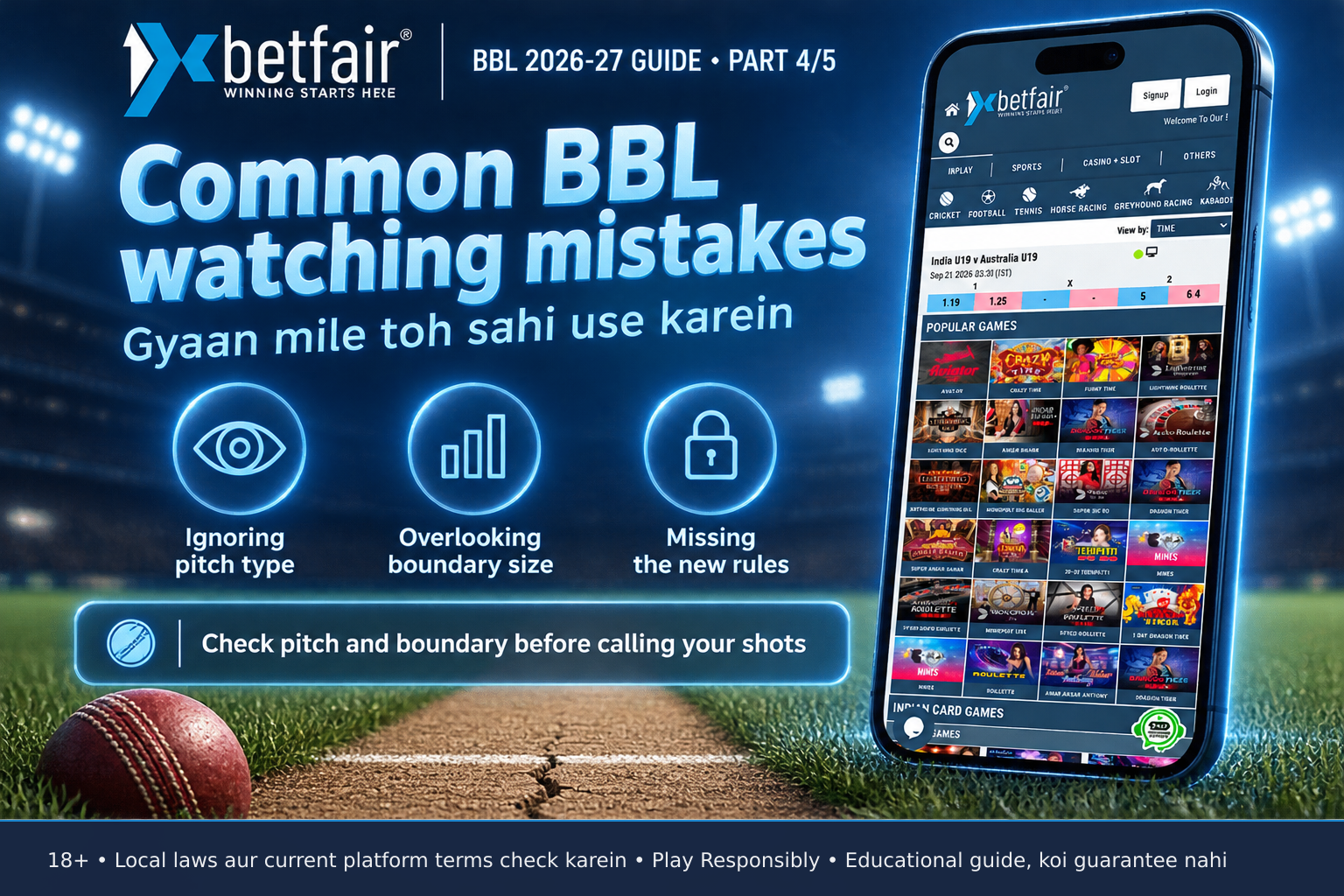
- Assuming a “big‑boundary” ground always yields high scores – the actual pitch behaviour can suppress scoring even on large grounds.
- Ignoring the Power Surge timing; using it in the final two overs is illegal and can cost a team a point.
- Over‑relying on historical pitch reports without checking the match‑day pitch preview released by the venue on the day of the game.
- Treating the Bash Boost as a guaranteed point – strike rates can be very close, and a small dip may forfeit the bonus.
- Betting on a team solely because it has a “good record” at a venue without considering current pitch conditions and weather.
Key Takeaways for Fast Readers
- The BBL 2026‑27 season runs 12 Dec 2026 – 26 Jan 2027 with eight venues and 39 league matches.
- Pitches range from bouncy (Perth, Gabba) to spin‑friendly (Chennai, Manuka).
- Boundary sizes differ: MCGboundaries in the league. A six down the ground or over mid‑wicket requires excellent timing and power. Scoring rates can be slower, but the boundaries reward precision.
How pitch conditions shape the game
Fast‑bowling advantage
When the pitch is fast and bouncy (Perth, Gabba), bowlers can use short‑run‑up seam deliveries and rely on the ball’s natural movement. The Power Surge window (overs 7‑16) is often used by captains to attack the fielding side after the initial Powerplay, because the extra six overs give batters more freedom to clear the rope.
Spin‑friendly venues
In spin‑friendly conditions (Chennai, Manuka), captains may keep a spinner in the attack throughout the innings and use the Power Surge to exploit the extra overs for a late‑innings slog. The Bash Boost point can be decisive if the batting side posts a high strike rate, so teams may accelerate the scoring rate in the final overs.
Dew and night matches
Dew in Hobart, Adelaide and Sydney night games makes the outfield wet and the ball slippery. Captains often field first to let the team batting second benefit from a drier ball and a more predictable bounce. The Power Surge can be timed to the second innings to maximise the chance of a big finish when the ball is easier to hit.
Common mistakes to avoid
- Assuming a “big‑boundary” ground always yields high scores – the actual pitch behaviour can suppress scoring even on large grounds.
- Ignoring the Power Surge timing; using it in the final two overs is illegal and can cost a team a point.
- Over‑relying on historical pitch reports without checking the match‑day pitch preview released by the venue on the day of the game.
- Treating the Bash Boost as a guaranteed point – strike rates can be very close, and a small dip may forfeit the bonus.
- Betting on a team solely because it has a “good record” at a venue without considering current pitch conditions and weather.

Key Takeaways for Fast Readers
- The BBL 2026‑27 season runs 12 Dec 2026 – 26 Jan 2027 with eight venues and 39 league matches.
- Pitches range from bouncy (Perth, Gabba) to spin‑friendly (Chennai, Manuka).
- Boundary sizes differ: MCG and Adelaide Oval are largest, making sixes harder, while Hobart’s Ninja Stadium and Canberra’s Manuka Oval have shorter boundaries that favour high scores.
- The Power Surge replaces the traditional Powerplay; a Bash Boost point is awarded for the highest strike rate at the end of the innings.
- Check the official Cricket Australia Playing Conditions and each venue’s match‑day pitch report for the most accurate information.
FAQ
What is the Power Surge in BBL 2026‑27? The Power Surge is a second six‑over window that the batting side can call any time after over 6 and before over 17, but not in the final two overs. It gives extra time for a late‑innings attack.
How does the Bash Boost point work? One bonus point is awarded to the team with the higher strike rate (runs per 100 balls) at the end of its innings; if the rates are equal, no point is given.
When is the BBL 2026‑27 final scheduled? The final is set for Monday 26 January 2027 at 7:15 pm IST, to be played at the MCG.
Which venues have the largest boundaries? The MCG in Melbourne and Adelaide Oval are the venues with the longest boundaries, making sixes more challenging.
Can dew affect the outcome of a match? Yes. Dew on the outfield in night matches, especially at Hobart and Adelaide, can make the ball slippery and give the team batting second an advantage.
What should I check before following a match?
- Verify the official venue’s pitch report on match day.
- Confirm the exact IST time on the Cricket Australia website.
- Ensure your account and payment methods are set up securely (2FA, verified HTTPS site).
18+ play responsibly
18+, play responsibly. Decide your budget before the week and never chase a loss.
More from 1xbetfair
Related reading
- Big Bash League 2026-27: Venues, Boundary Sizes & Pitch Conditions (tigerexchdemo.com)
- Big Bash League 2026-27: Venues, Pitch Conditions & What to Expect (allwhitelabel247.com)
Visit the official 1xbetfair site: 1xbetfair.me. 18+ only. Please play responsibly.