
Quick answer: Liga MX runs two short seasons each year — Apertura (July–December) and Clausura (January–May) — each with its own regular table and Liguilla play-off to crown a champion. The format replaced the old long season in 1996–97 to create two title chances and keep fan interest high through the calendar year. No club is guaranteed to win; promotion and relegation currently do not apply as Liga MX operates as a closed league with a fixed number of teams.
Key takeaways
- Apertura and Clausura are independent tournaments; winning one does not affect the other
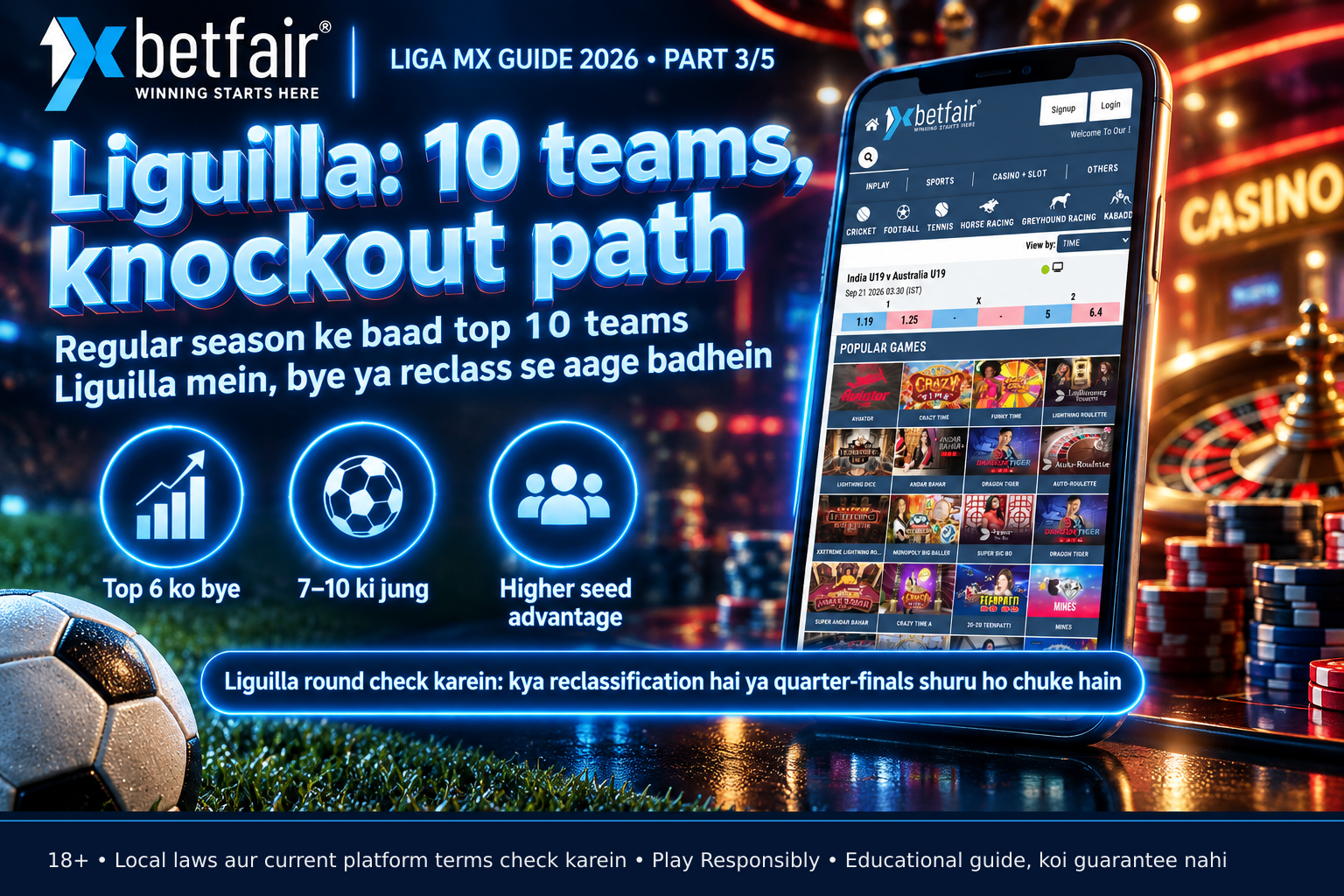
- Liguilla is a knockout phase for the top 10 teams from each regular season
- Club América, Chivas Guadalajara and Cruz Azul have the most combined titles since the split format began
- No automatic promotion or relegation exists in Liga MX as of the 2025–26 cycle
- Always check the current Liga MX regulations and play responsibly
Opening scene
Raat ke 10:30 baje hain, aapne apna phone uthaya aur Liga MX ke upcoming match ka dekhna shuru kiya. Aap soch rahe hain: "Yeh Apertura ka match hai, lekin playoffs kaise hote hain?" Lekin wait — kya aapne 2 minute ka pause liya? Is guide se aapko shortcuts ya sure-shot formula nahi milegi, bas yeh samjhaunga ki Liga MX ka structure kaise kaam karta hai, taki aap apne hisab se decide kar sakein.

What Liga MX format is and why it matters
Liga MX adopted the split-season model in 1996–97, dividing the year into two standalone tournaments: Apertura (opening) and Clausura (closing). Each tournament runs approximately four months, with its own regular season table followed by a Liguilla (mini-league or play-off) to determine the champion. The design aimed to increase competitive excitement by giving clubs two title shots per year and aligning the schedule with traditional Mexican sporting calendars. Understanding this helps you read standings correctly and avoids confusion when a club leads Apertura but does not carry that advantage into Clausura.
5 Core Checks: Liga MX structure explained
1. Apertura and Clausura are separate competitions
Each tournament begins with zero points for every club. The team that finishes atop the Apertura regular season table wins no automatic advantage in Clausura; they start again from scratch. Treat them like two different leagues held in the same calendar year.
2. Regular season determines Liguilla qualification
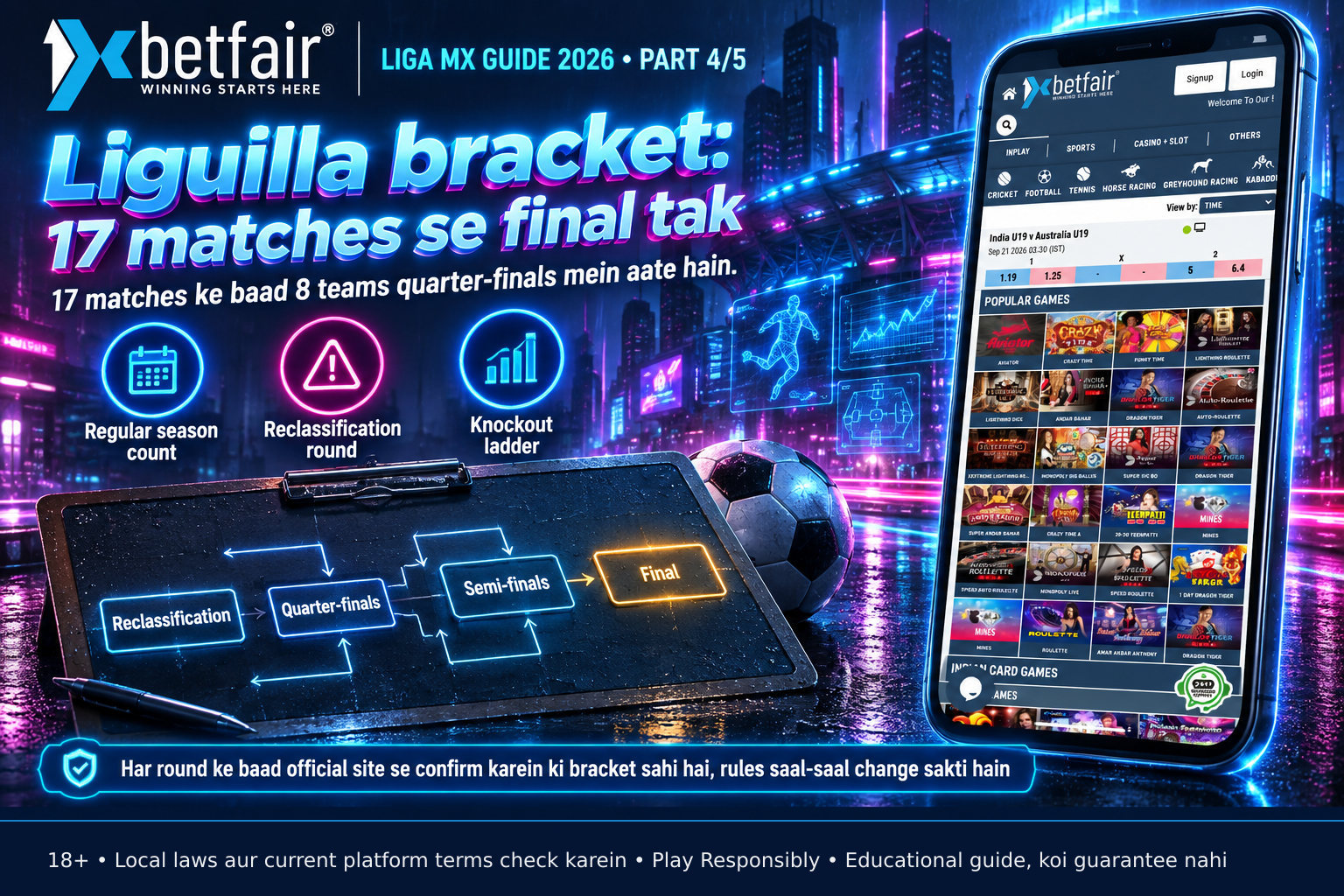
After 17 matches (each club plays every other once home or away), the top 10 teams advance to the Liguilla. Positions 1–6 receive a direct bye to the quarter-finals; teams 7–10 play a reclassification round (single match) to earn the remaining two quarter-final spots.
3. Liguilla is a knockout bracket
From the quarter-finals onward, ties are played over two legs (home and away). The aggregate score decides the winner; if tied, the away goals rule does not apply — instead, extra time and then penalties are used. Higher-seeded teams host the second leg, giving them a slight edge.
4. Champion earns no automatic Continental spot based on season
Winning Apertura or Clausura grants a club a place in the next CONCACAF Champions League (or Champions Cup, depending on the cycle), but qualification rules can vary. Always confirm the current year’s allocation on the official Liga MX site, as CONCACAF occasionally changes access lists.
5. No promotion or relegation in effect
As of the 2025–26 season, Liga MX operates as a closed league with a fixed number of clubs (currently 18). There is no automatic relegation to Liga de Expansión MX nor promotion from it, although discussions about future formats continue. Verify the latest status on the Liga MX regulations page before assuming any movement between divisions.
How the Liguilla actually works: numbers and process
The Liguilla follows a fixed bracket after the regular season. Below is a typical structure based on recent seasons; confirm the current year’s exact format on the Liga MX website.
| Round | Teams involved | Match format | Advantage |
|---|---|---|---|
| Reclassification | 7th vs 10th, 8th vs 9th | Single match | Higher seed hosts |
| Quarter-finals | 1–6 + 2 winners from reclassification | Two legs (home/away) | Higher seed hosts second leg |
| Semi-finals | Winners of quarter-finals | Two legs | Higher seed hosts second leg |
| Final | Winners of semi-finals | Two legs | Higher seed hosts second leg |
Note: Away goals are not used as a tiebreaker; if aggregate scores are level after 180 minutes, the match goes to extra time and then penalties.
Device and account security: basics for Liga MX follow-up
Before you check scores or stream highlights, ensure you are using the official Liga MX website or app (look for HTTPS and a verified domain). Never share your OTP, PIN or password with anyone claiming to offer “exclusive stats” or “guaranteed insights.” Enable 2FA on your betting or sports-news accounts if the platform offers it, and always log out from shared devices. These steps protect your personal data, not your chances of winning — remember, odds and outcomes are independent of your login security.
Common mistakes to avoid
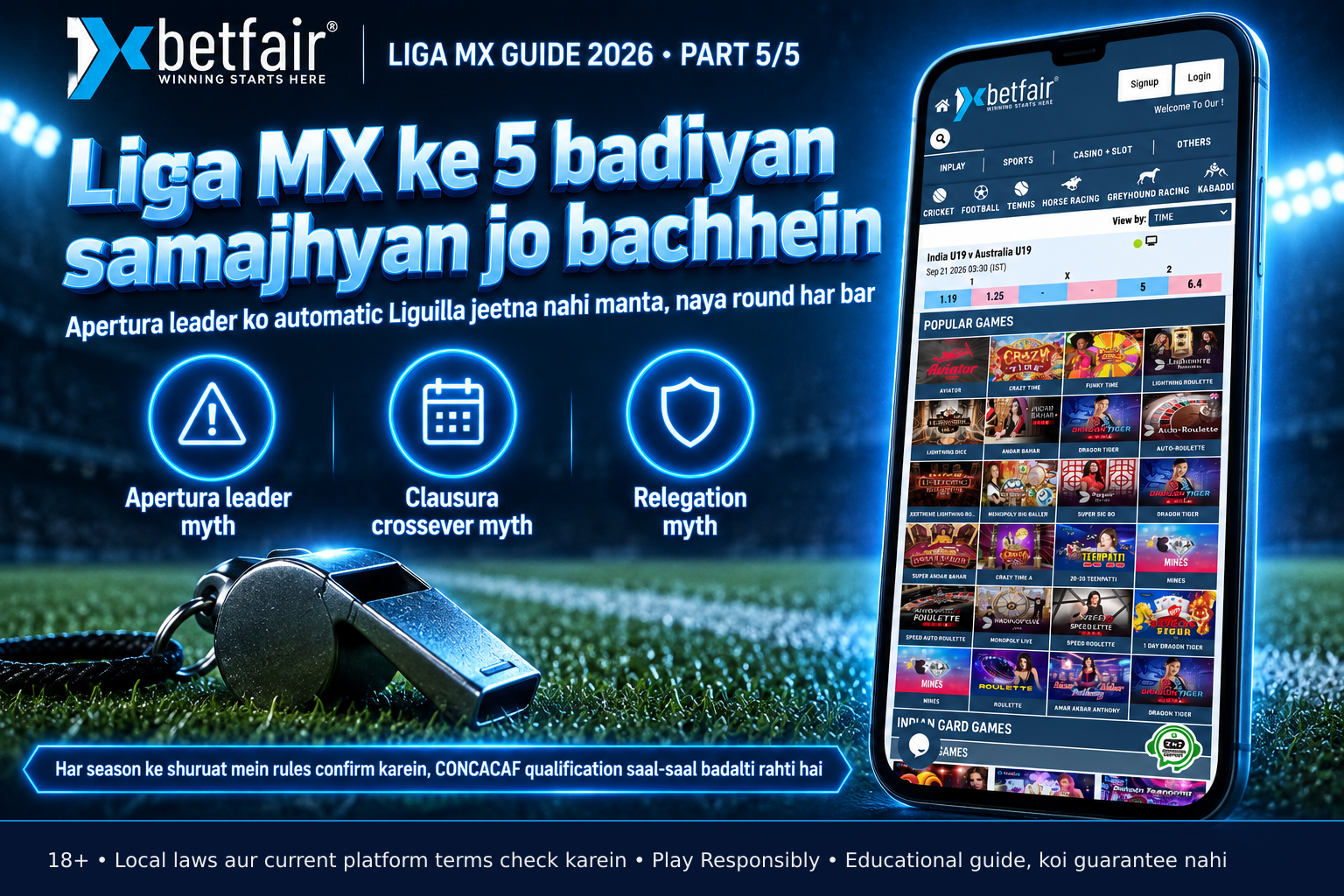
- Assuming the Apertura leader automatically wins the Liguilla: each knockout round resets form; higher seeds have an edge but no guarantee
- Thinking Clausura performance affects Apertura standings: they are separate tournaments with independent tables
- Believing relegation is active: as of 2025–26, Liga MX has no promotion-relegation mechanism in place
- Using away goals to break Liguilla ties: the rule was removed; extra time and penalties decide level aggregates
- Treating Liguilla qualification as automatic for top 6: while they avoid reclassification, they must still win knockout rounds
Pre-session checklist table
Use this quick table before diving into Liga MX content or placing any sports-related action (if applicable). Mark each item as done or pending.
| Check | Status (✓/✗) | Why it matters |
|---|---|---|
| Confirm Apertura or Clausura season | Prevents mixing up tables | |
| Verify Liguilla round and leg | Avoids misreading aggregate scores | |
| Check official Liga MX site for updates | Ensures you have current format and rules | |
| Enable 2FA on sports accounts | Adds account security layer | |
| Decide session budget beforehand | Supports responsible play |
Brand section
1xbetfair.com provides access to sports information and betting markets where available. Always check the current terms on the official site and verify that sports betting is permitted in your jurisdiction. Never treat any information as a guarantee of outcome.
Call to action
Review the latest Liga MX regulations on the official site before the next Apertura or Clausura begins.
FAQ
¿Cuándo comienza el Apertura 2026? Apertura 2026 typically starts in July 2026; confirm exact dates on the Liga MX calendar closer to the time.
¿Cuántos equipos juegan el Liguilla? The top 10 teams from the regular season table qualify for the Liguilla in both Apertura and Clausura.
¿Se aplica el gol de visitante en el Liguilla? No, Liga MX removed the away goals rule for Liguilla ties; level aggregates go to extra time and then penalties.
¿Hay descenso en Liga MX ahora mismo? As of the 2025–26 season, Liga MX operates as a closed league with no automatic promotion or relegation; verify current status on official sources.
¿Gana automáticamente el Liguilla el equipo que termina primero en la temporada regular? No; while the top 6 teams avoid the reclassification round, they must still win their knockout ties to reach the final.
¿Cuántos títulos tiene Club América en el formato corto? Club América has won multiple Apertura and Clausura titles since 1996–97; check the Liga MX historial for the exact current count.
¿Puedo ver los partidos de Liga MX gratis en línea? Broadcast rights vary; some matches may be on free-to-air TV, others require subscription — check official Liga MX partners.
¿Qué pasa si empate en el agregado después de los dos partidos? If the aggregate score is level after 180 minutes, the match proceeds to extra time and then a penalty shoot-out.
¿Los equipos de Liga MX pueden jugar en la Copa Libertadores? Liga MX clubs do not automatically qualify for Copa Libertadores; they compete in CONCACAF Champions League/Cup based on tournament performance.
¿Es seguro usar apps no oficiales para seguir Liga MX? Only use official Liga MX apps or verified partners; unofficial apps may pose security risks or provide inaccurate data.
¿Cambia el formato cada año? The split-season structure has remained consistent since 1996–97, but details like Liguilla size or tiebreakers can adjust — always read the current regulations.
¿Necesito pagar para acceder a la tabla de posiciones? No, Liga MX publishes regular season and Liguilla standings freely on its official website and app.
¿Qué clubs han ganado tanto Apertura como Clausura en el mismo año? Several clubs have achieved the double; refer to Liga MX historial for a list of seasons and teams.
¿Afecta el desempeño en ligas menores al estatus en Liga MX? As of 2025–26, there is no promotion-relegation, so performance in Liga de Expansión MX does not directly impact Liga MX status.
Final takeaway
Liga MX’s Apertura and Clausura format gives two title races per year, each with its own regular season and Liguilla play-off; understand the mechanics, check official sources, and play responsibly.
Related reading
- Primeira Liga (Portugal) Guide 2026 (1xbetfaircustomercare.com)
- Vitality Blast (England T20) 2026 explained (1xbetfaircustomercare.com)
- Baccarat explained 2026: player, banker and tie bets, commission and edge (1xbetfaircustomercare.com)
- Back and lay on an exchange explained 2026 (1xbetfaircustomercare.com)
Visit the official 1xbetfair site: 1xbetfair.me. 18+ only. Please play responsibly.